October 27, 2026
A dependable water heater provides hot water for showers, laundry, washing dishes, and other daily tasks. When your current system struggles to meet demand or needs frequent repairs, water heater replacement offers an opportunity to improve efficiency and reconsider your household's needs.
Choosing between a traditional storage tank and a tankless model requires comparing installation costs, energy consumption, maintenance requirements, and long-term performance. Understanding these differences can help you decide whether switching to tankless is a worthwhile investment or whether a conventional unit remains the better option.
Understanding When to Replace Your Water Heater
Recognizing the Signs of an Aging Water Heater
Age is an important factor when evaluating your water heater's condition. According to This Old House, traditional tank water heaters typically last between 10 and 15 years. As a unit ages, homeowners may notice inconsistent temperatures, declining performance, or increasingly frequent repairs.
Other warning signs include rust-colored water, unusual rumbling sounds, visible corrosion, and moisture around the tank. These symptoms can indicate sediment buildup, deteriorating components, or developing leaks. A qualified plumber can identify the underlying problem and determine whether repairing the existing system or installing a new one makes more financial sense.
Evaluating Your Household's Hot Water Needs
Your household's daily routine can influence which water heater is most suitable. Traditional tanks store a limited volume of heated water, so consecutive showers and simultaneous appliance cycles can exhaust the supply. Once the tank empties, the system needs time to heat additional water.
Tankless systems heat water as it flows through the unit, providing a continuous supply within the equipment's capacity. Performance depends on incoming water temperature, the required temperature increase, and the number of fixtures operating simultaneously. Before scheduling a water heater replacement, consider your household's peak hot water demand to determine whether a tankless model can consistently meet your needs.
Comparing Repairs With Replacement Costs
Repairing a water heater can be economical when the problem involves a replaceable component and the rest of the system remains in good condition. However, recurring breakdowns can make continued repairs less practical, particularly when the equipment is aging or showing multiple signs of deterioration.
Water heater replacement becomes worth considering when repair expenses accumulate, performance declines, or leaks threaten nearby belongings. A plumber can compare repair estimates with installation costs and anticipated operating expenses. Evaluating these factors together helps you determine whether maintaining the existing unit or investing in a new system offers better long-term value.
Comparing Traditional and Tankless Water Heaters
Understanding the Benefits of Tankless Systems
Traditional water heaters maintain a reservoir of hot water, periodically using energy to keep it warm even when nobody needs it. Tankless models heat water on demand, reducing the standby heat losses associated with storing hot water. Depending on usage patterns, utility rates, and equipment efficiency, this difference can lower energy consumption.
Space savings are another advantage. Conventional tanks require room for the storage vessel, while tankless units typically mount on a wall and occupy less space. This arrangement can free up room in a basement, utility area, or storage space. Tankless systems can also reduce the risk of extensive water damage caused by a storage tank rupturing, although leaks can still develop elsewhere in the system.
Weighing Installation Costs Against Energy Savings
Tankless water heaters often have higher upfront costs than traditional models. Installation may also require modifications to gas lines, electrical circuits, venting, or plumbing. The extent of these changes depends on the home's existing infrastructure and the selected equipment.
Energy savings can help offset the initial investment, but the financial benefits vary. Households with frequent hot water usage may see greater savings than those with modest demand. When considering a water heater replacement, request an itemized estimate covering equipment, labor, necessary modifications, and expected maintenance. Comparing these expenses with realistic energy costs can help you assess whether a tankless system fits your budget.
Considering Lifespan and Maintenance Requirements
Tankless water heaters often have a longer potential service life than traditional storage tank models when properly installed and maintained. This longevity can make the initial investment more appealing to homeowners planning to stay in their homes for many years. However, actual performance depends on water quality, usage, and maintenance practices.
Both system types require periodic care. Tankless units may need flushing to remove mineral deposits, especially in areas with hard water. Without proper maintenance, buildup can restrict flow and reduce efficiency. Traditional tanks can also accumulate sediment, contributing to noise and premature wear. Following manufacturer recommendations and arranging professional inspections can help maintain performance and identify developing issues before they become more expensive problems.
Choosing the Best Water Heater for Your Home
Determining Whether Tankless Meets Your Needs
Tankless water heating may appeal to households that frequently run out of hot water, have limited installation space, or want to reduce standby energy losses. Its on-demand operation can provide greater convenience for busy families, provided the system is properly sized for simultaneous usage.
However, a traditional tank may be more suitable for homeowners with predictable hot water needs, limited installation budgets, or existing infrastructure that supports straightforward installation. During a water heater replacement consultation, discuss your current system's shortcomings, household usage, available space, and budget. A professional can use this information to recommend an appropriate solution rather than assuming one type is universally better.
Assessing Installation Requirements
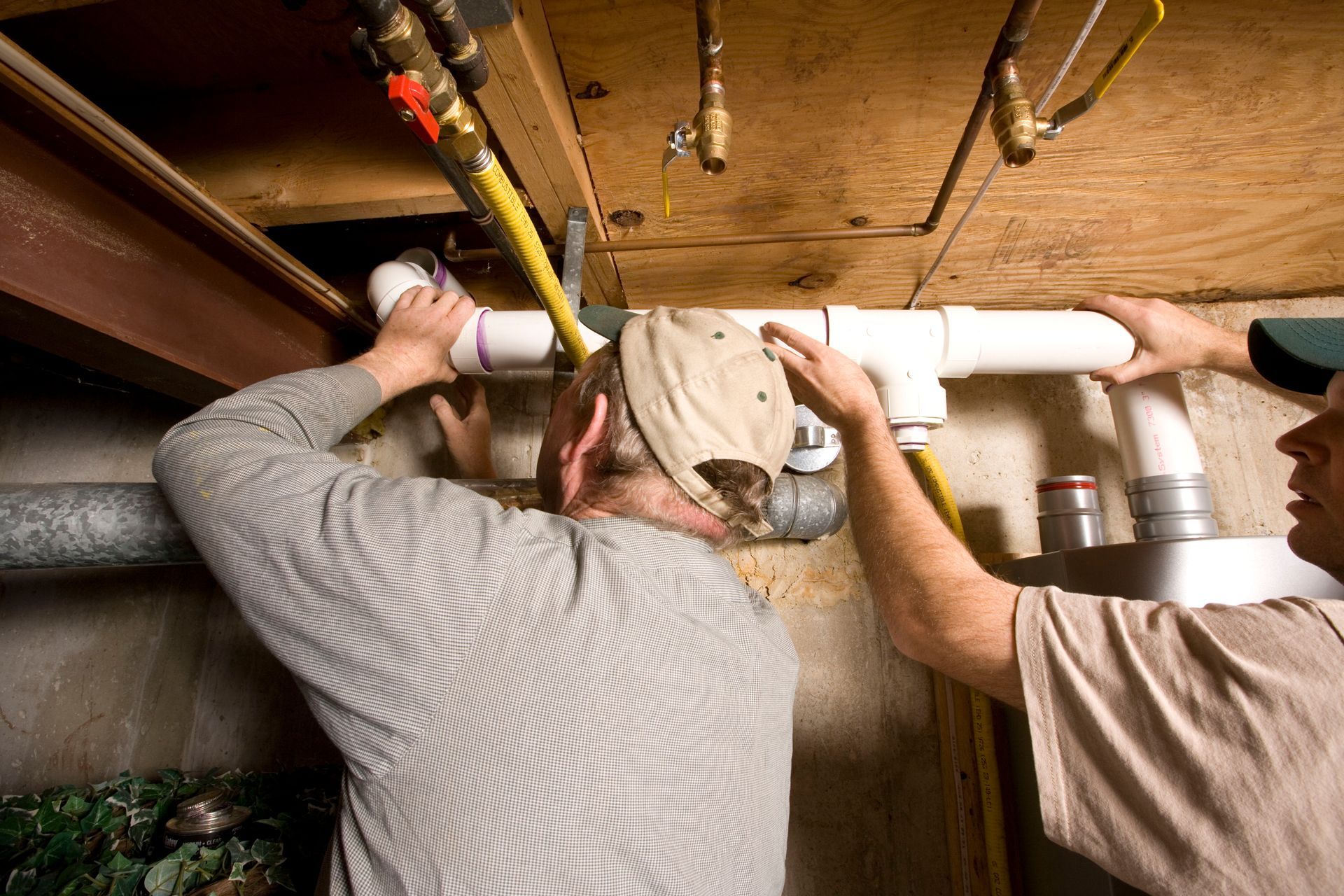
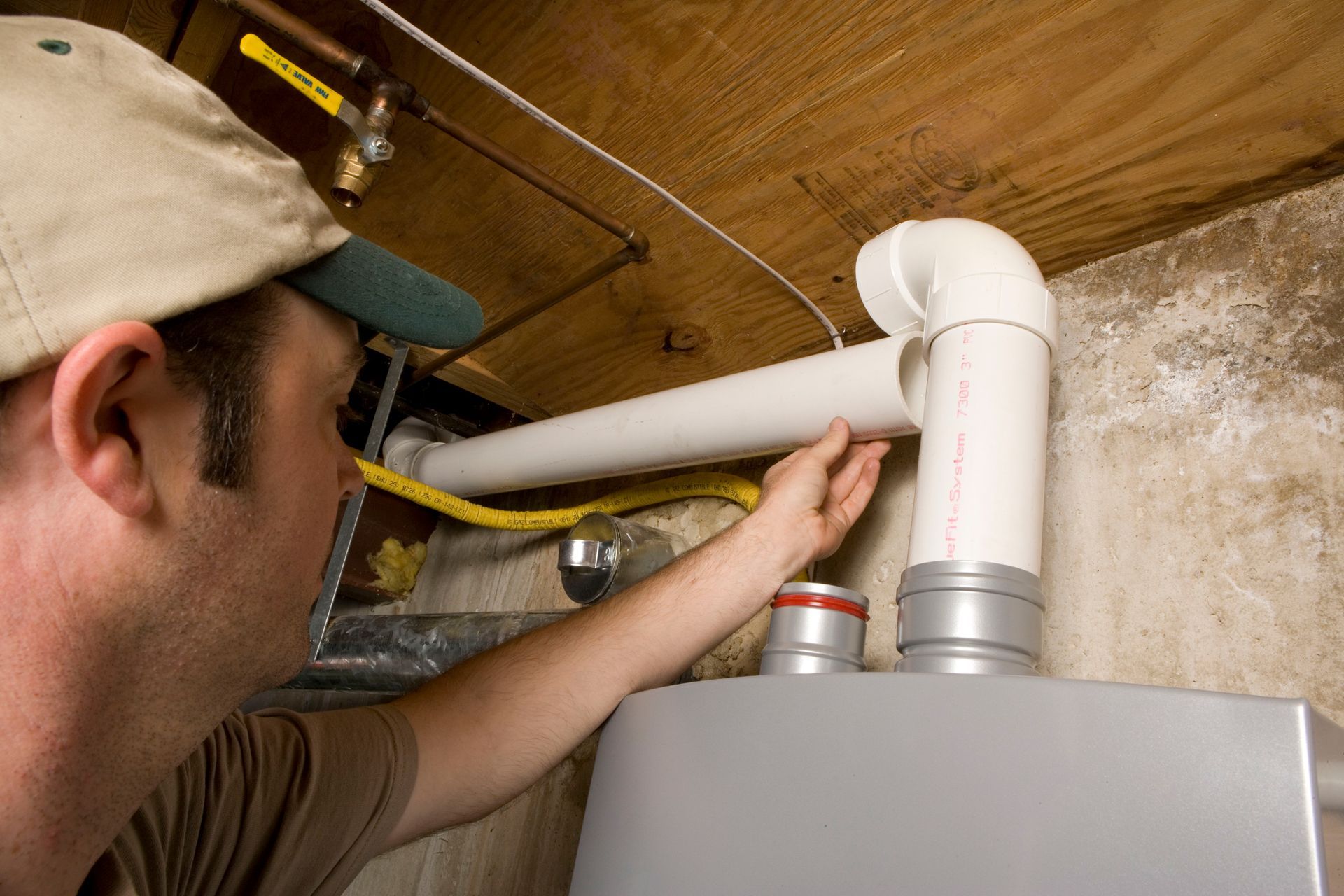
Switching from a tank to a tankless unit involves more than selecting a smaller appliance. Installation requirements can include fuel availability, electrical capacity, venting specifications, and water pressure. Gas-powered models may require larger gas lines or compatible venting, while electric units may need additional electrical capacity.
A qualified plumber can evaluate these conditions before work begins, helping identify potential complications and establish a realistic budget. Proper sizing is particularly important because an undersized tankless unit may struggle to supply multiple fixtures at once. Professional installation also helps ensure compliance with applicable building codes and manufacturer requirements, supporting reliable performance after the upgrade.
Planning for Long-Term Comfort and Efficiency
Consider how your household's hot water needs might change in the coming years. Additional family members, bathroom renovations, or new appliances can increase demand, while a smaller household may not need a large storage tank. Selecting equipment based on both current usage and anticipated changes can help prevent unnecessary expenses.
Before committing to a water heater replacement, also review manufacturer warranties, maintenance agreements, and repair availability. Warranty coverage varies by model and may depend on installation and maintenance conditions. Access to professional service can be especially valuable when unexpected problems interrupt your hot water supply. Balancing purchase price, operating expenses, capacity, and expected service life helps you make a practical investment in your home's comfort.
Switching to a tankless water heater can be worthwhile when continuous hot water, space savings, and reduced standby energy losses align with your household's priorities. However, higher installation costs, equipment sizing, and maintenance requirements deserve careful consideration. A traditional tank may still offer better value for some homes.
Consulting a qualified plumbing professional can help you compare available systems, evaluate installation requirements, and obtain an estimate tailored to your needs. With a thorough assessment, you can select a water heater that delivers dependable performance, manageable operating costs, and lasting comfort. Contact Wat-Kem Mechanical Inc today to discuss your water heater replacement options and find the right system for your home's needs.