May 29, 2026
Regular water heater maintenance with water heater services is integral for ensuring optimal performance and reducing energy consumption. As one of the most energy-intensive appliances in the home, water heaters have a significant impact on utility bills. Addressing inefficiencies can result in meaningful energy savings, reducing both environmental impact and household costs.
With fluctuating energy prices and increasing environmental awareness, many homeowners are seeking solutions to lower their energy consumption. Regular maintenance of water heaters is an accessible way to achieve this goal. Properly serviced water heaters operate more efficiently, which leads to decreased energy usage and corresponding cost savings.
By understanding the intricacies of water heater efficiency and the importance of consistent maintenance, homeowners can better manage their energy expenditures. The long-term benefits include improved energy conservation and lowered monthly energy bills. This article provides a comprehensive overview of how routine water heater service can enhance efficiency and deliver savings.
Lifespan of Different Water Heater Types
The lifespan of a water heater can vary greatly depending on the type and maintenance it receives. Traditional tank water heaters typically last between 8 and 12 years, while tankless models can serve efficiently for over 20 years, per our water heater services. The longevity of a water heater significantly affects its efficiency and the overall energy costs associated with heating water in the home. Regular servicing can maximize the lifespan of both tank and tankless water heaters, minimizing the need for premature replacements. Investing in a high-quality water heater with a longer lifespan often results in better long-term energy efficiency.
Tankless water heaters, while having a higher upfront cost, tend to last longer due to their more robust and efficient design. Regular maintenance is crucial for sustaining their longevity and ensuring they continue to operate efficiently. With consistent care, tankless water heaters can significantly lower energy consumption and costs. On the other hand, neglecting regular maintenance may lead to premature failures, increased energy bills, and costly replacements. Therefore, understanding the expected lifespan of water heater types is essential for effective energy management.
Proactive maintenance, such as flushing sediments and inspecting vital components, extends the service life of all water heater types. This preventive approach keeps the water heater operating at peak efficiency, resulting in reduced energy consumption. In turn, lower energy usage translates to decreased utility bills, offering direct financial benefits to homeowners. Proper maintenance not only maximizes equipment longevity but also ensures optimal performance throughout the water heater's lifespan. Nearly 90% of residential households in the U.S. have air conditioner equipment, according to SBE, which is driving demand in the HVAC equipment market. Understanding the lifecycle of different water heater types is critical for informed maintenance and purchasing decisions.
Efficiency Ratings Explained
Water heater efficiency is typically measured using an Energy Factor (EF) rating, which indicates how effectively the unit converts energy into heated water. A higher EF rating signifies better efficiency, leading to reduced operational costs. When selecting a water heater, it is important to consider models with high EF ratings for maximum energy savings. Government regulations have regularly updated the standards to ensure that new water heaters offer improved efficiency. Consumers can benefit from these advancements by choosing high-efficiency models to lower their energy expenses.
Efficiency ratings help consumers identify and choose water heaters that can significantly decrease energy consumption over time. They offer a standardized measure for comparing different models, enabling informed purchasing decisions. High EF ratings not only provide assurance of energy efficiency but also reflect the unit's potential to reduce environmental impact. Upgrading to a model with a superior efficiency rating can be a lucrative investment, yielding substantial savings in energy costs. Homeowners are encouraged to prioritize water heaters with the highest feasible EF ratings to maximize both efficiency and savings.
Incorporating advanced technology and design improvements with water heater services, modern water heaters have achieved high-efficiency ratings. However, optimal performance requires regular maintenance to sustain these benefits. Routine inspections and services are vital in preserving a water heater's efficiency over its lifespan. By maintaining a unit's high-efficiency operation, homeowners can achieve continued energy savings and reduced billing costs. Understanding and utilizing efficiency ratings is an essential component of effective household energy management.
Factors Affecting Water Heater Performance
Several factors can influence the performance and efficiency of water heaters, with age and maintenance being primary considerations. As water heaters age, natural wear and tear can reduce their efficiency, leading to higher energy consumption. Regular servicing is instrumental in mitigating performance decline, addressing issues before they elevate energy usage. Factors such as water pressure settings, thermostat levels, and sediment accumulation also play critical roles in efficiency. By proactively managing these factors, homeowners can maintain optimal water heater performance throughout its lifespan.
Environmental factors, such as the local water quality, significantly impact water heater efficiency. Hard water, rife with minerals, accelerates corrosion and sediment buildup within the tank, reducing efficiency over time. Installing water softening systems and regularly flushing the tank can help counteract these effects, keeping the heater functioning efficiently. Additionally, proper placement and installation can influence efficiency, with strategically located units benefiting from reduced heat loss. Understanding environmental and operational factors enables homeowners to take preventive measures, ensuring sustained water heater efficiency.
Technological advancements from water heater services have introduced features that enhance water heater performance, such as energy-efficient models with improved insulation. However, neglecting routine maintenance can negate these technological benefits, resulting in suboptimal performance. Regular inspections and servicing fortify the operational efficiency of even the most advanced water heaters, safeguarding their energy-saving potential. Homeowners must recognize the dynamic interplay between factors affecting performance and maintenance strategies. By addressing these factors, water heater operational costs can be minimized, contributing to lower household energy bills.
The Importance of Proper Installation
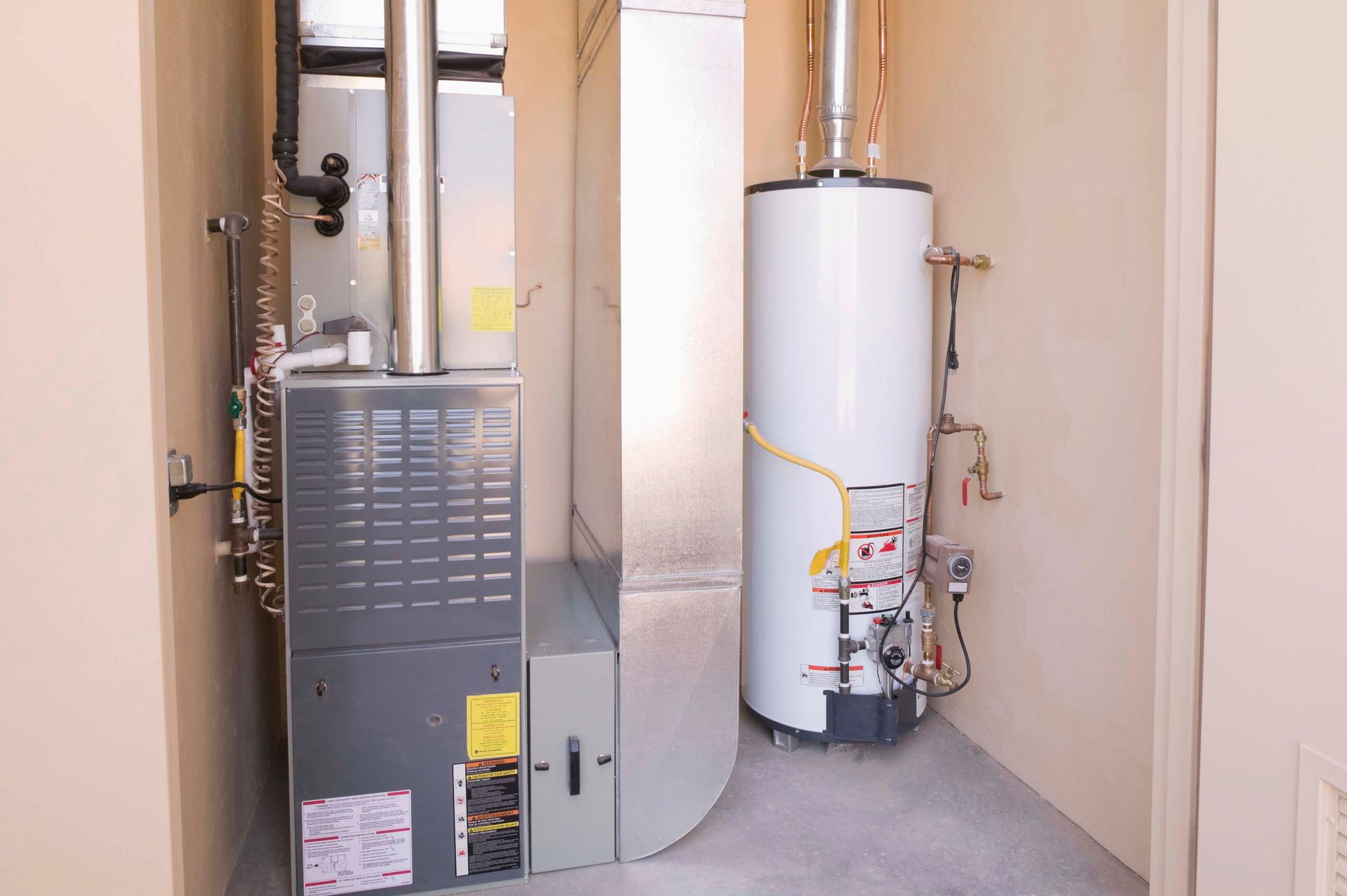
Proper installation with water heater services is crucial in maximizing the efficiency and performance of water heaters. A poorly installed water heater can result in leaks, inadequate heating, and increased energy consumption. Ensuring that the heater is the correct size and type for the home is fundamental in achieving optimal efficiency. An appropriately sized heater meets household demands without unnecessary energy expenditure, balancing capacity and efficiency. Professional installation guarantees that the water heater operates within its intended parameters, promoting longevity and consistent performance.
Beyond initial installation, positioning the water heater appropriately within the home has a tangible impact on efficiency. Minimizing the distance between the heater and water usage points reduces heat loss during transfer, improving efficiency. Proper insulation of pipes and the heater itself also contributes to reduced energy consumption, conserving heat within the system. Recognizing the critical elements of effective installation can help prevent common inefficiencies and ensure that the water heater functions optimally.
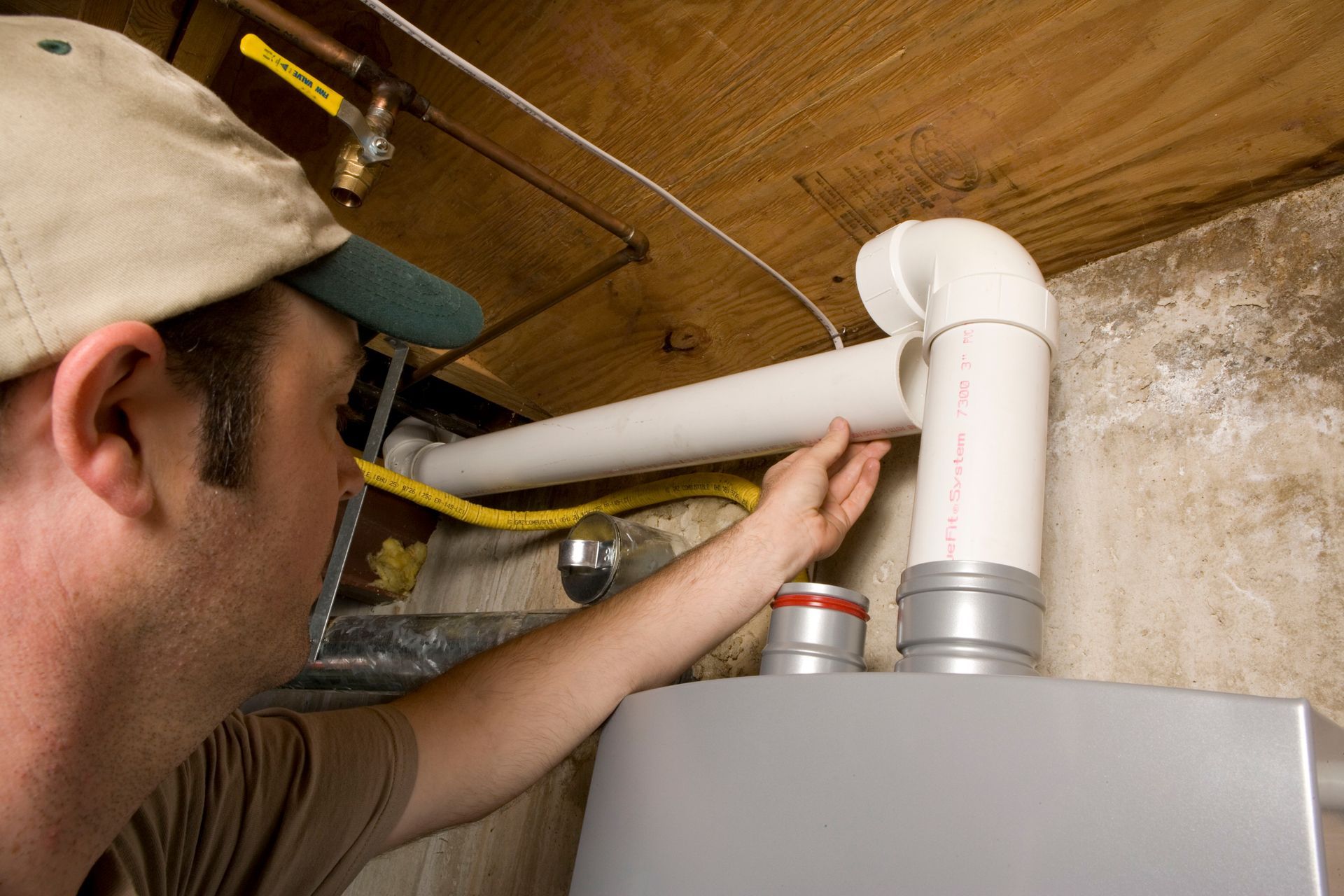
Incorrect installation can present safety risks, including gas leaks and electrical hazards. Homeowners should prioritize professional installation to avoid these dangers and safeguard both their property and residents. A correctly installed water heater operates more reliably and efficiently, providing consistent performance with minimized risk. Engaging professional services ensures compliance with safety standards and optimal system performance.
Routine maintenance and professional installation are the cornerstones of water heater efficiency. By prioritizing high EF ratings and proactive care, homeowners can significantly extend equipment lifespan while slashing energy costs. Investing in these practices ensures a reliable, cost-effective system that aligns financial savings with a reduced environmental footprint. For water heater services, contact us at Wat-Kem Mechanical Inc today.