July 8, 2026
In the realm of construction and home maintenance, adhering to plumbing codes is crucial for safety, efficiency, and legal compliance. A plumbing contractor plays an essential role in navigating the complexities of these codes. This article explores how these experts ensure plumbing code compliance.
Understanding Plumbing Codes and Their Importance
Defining The Purpose of Plumbing Codes
The primary purpose of plumbing codes is to ensure the health and safety of the public by setting standards for plumbing systems. These codes establish protocols for water supply, drainage, and waste disposal that mitigate health risks. Ensuring that plumbing systems adhere to these standards prevents water contamination, reduces the risk of leaks, and safeguards structural integrity. By mandating specific materials and installation procedures, plumbing codes help maintain system efficiency and longevity. In a world where water is a precious resource, these codes also promote sustainable practices by reducing waste and encouraging efficient usage.
Knowing Modern Plumbing Codes
Modern plumbing codes consist of a comprehensive set of guidelines that cover design, installation, and maintenance aspects of plumbing systems. Key components include specifications for pipe materials, installation methods, and the correct management of waste and vent systems. They also stipulate guidelines for fixture quality, water conservation efforts, and backflow prevention to ensure safe drinking water. These codes are meticulously detailed to address every aspect of plumbing work, challenging contractors to remain vigilant. Adherence to these guidelines is crucial, as even minor deviations can have significant legal and health implications.
Avoiding the Consequences of Non-Compliance
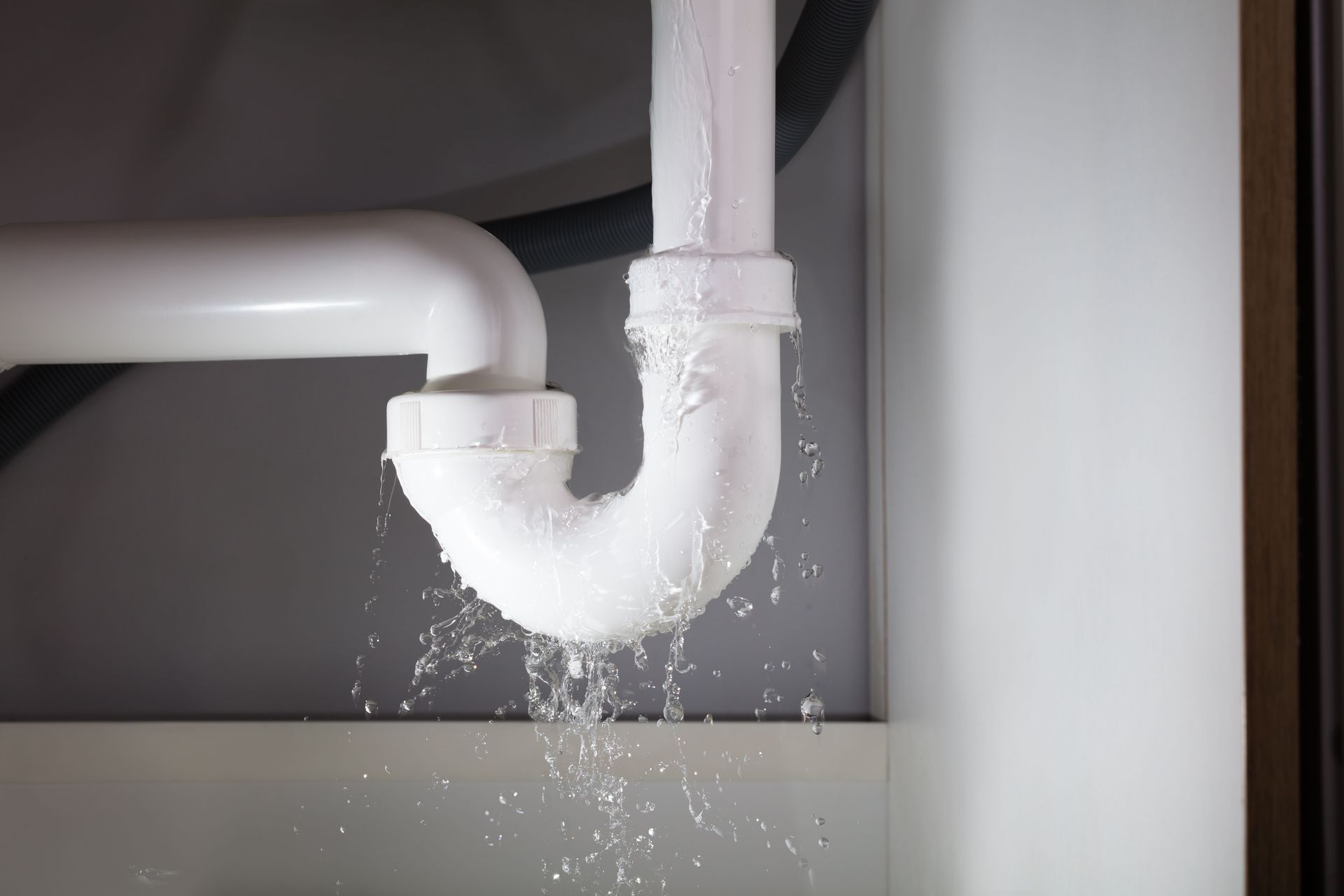
Non-compliance with plumbing codes can have severe repercussions, ranging from safety hazards to legal penalties. Faulty or improperly installed systems can lead to water contamination, health risks, and even structural damage. According to the EPA, a leaky faucet dripping at a rate of one drip per second can waste upwards of 3,000 gallons per year, exemplifying the financial and environmental costs of non-compliance. Additionally, property owners may face fines, increased insurance premiums, and decreased property values due to substandard plumbing work. Ensuring compliance thus becomes a critical aspect of responsible property management and environmental stewardship.
The Role of a Plumbing Contractor in Code Compliance
Assessing and Evaluating Building Plans
Plumbing contractor are integral in the early stages of construction projects due to their expertise in evaluating building plans for code compliance. They review architectural designs to identify potential issues with plumbing fixtures, pipe routing, and system integration. Contractors collaborate with architects and engineers to ensure that all plumbing elements align with legal standards and best practices. Their assessments help preemptively address any discrepancies, saving time and resources by avoiding costly modifications later in construction. By conducting thorough evaluations, contractors play a crucial role in setting the foundation for a compliant, efficient plumbing system.
Ensuring Proper Material Selection
The selection of materials is pivotal in maintaining plumbing code compliance and system efficacy. Plumbing contractor draw upon their knowledge of materials suitable for local conditions, such as climate and water quality. They also ensure that selected materials meet code regulations for safety, durability, and environmental impact. This step is critical in preventing issues such as pipe corrosion, leaks, and system failures, all of which can result from inappropriate material choices. By guiding material selection, contractors help ensure long-term system performance and adherence to regulatory standards.
Overseeing Installation for Code Adherence
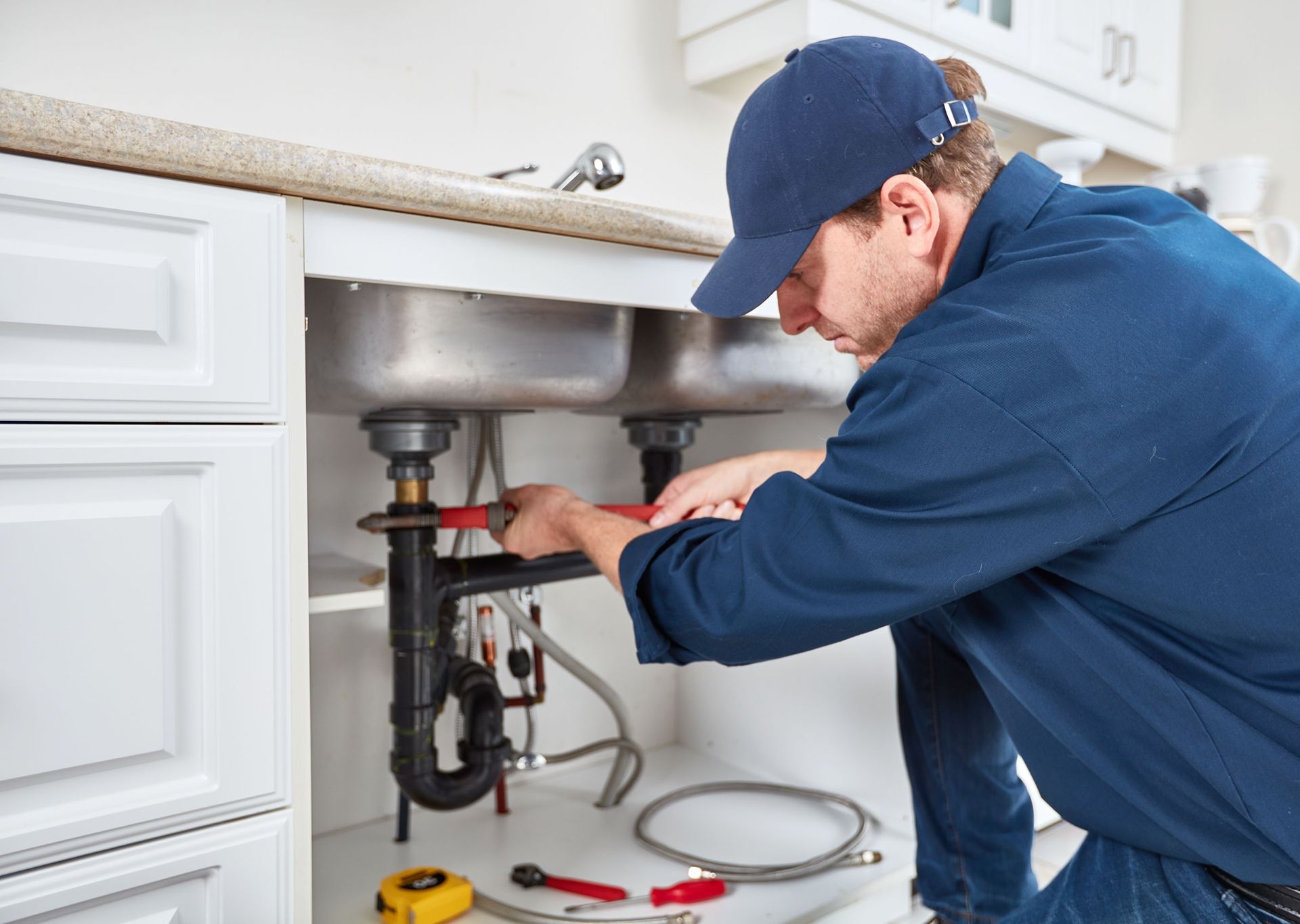
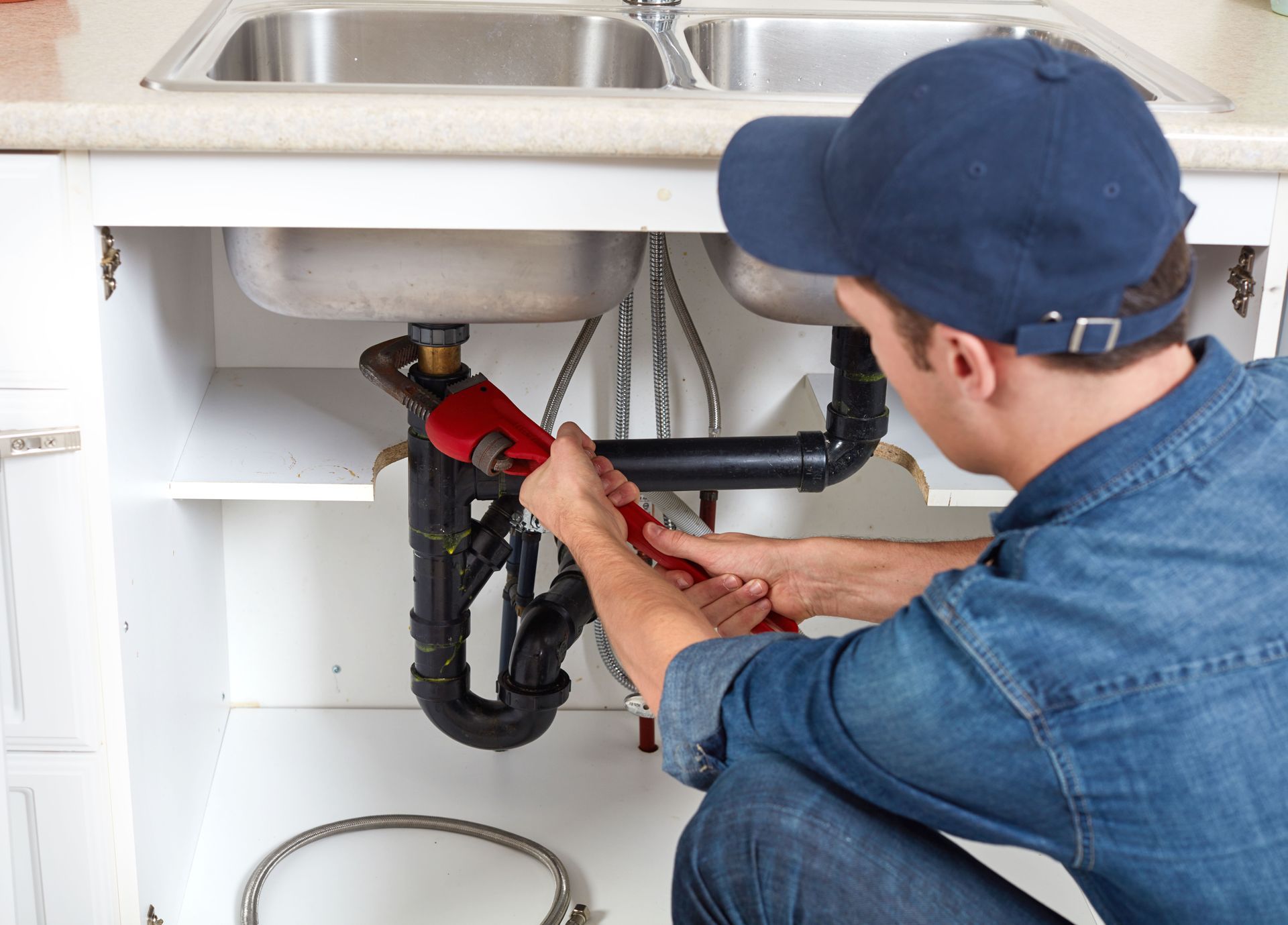
During the installation phase, the contractor's role shifts to overseeing the execution of plumbing plans in alignment with code requirements. Their responsibility is to ensure that the installation of pipes, fixtures, and fittings adheres to design specifications and legal standards. Contractors supervise skilled labor to maintain high installation quality, minimizing the risk of defects and code violations. They also remain vigilant about on-site changes that may necessitate adjustments to plans or materials. This hands-on oversight is essential for maintaining the integrity of the plumbing system and ensuring it meets all necessary compliance benchmarks.
Collaborating with Local Authorities and Inspectors
Understanding Local Amendments to National Codes
Regional amendments to national plumbing codes can pose challenges, but they are essential for addressing specific local needs and conditions. Contractors must keep abreast of these changes to ensure that locally amended codes are followed precisely during the planning and execution phases. Understanding these local nuances allows contractors to devise solutions that optimally address both regulatory demands and environmental factors. Ensuring compliance with these amendments is a testament to a contractor's commitment to professionalism and quality. This specialized knowledge also gives them a competitive advantage in winning projects where tailored solutions are necessary.
Negotiating Approvals and Permits
Obtaining the necessary permits for plumbing work requires negotiation skills and is a key part of a contractor's role. Before starting any project, a plumbing contractor must work with relevant authorities to secure the required approvals that confirm compliance with local regulations. This involves submitting detailed plans and occasionally modifying elements to satisfy the regulatory body's requirements. Effective negotiation ensures that the project's timeline remains on track without unnecessary delays. Contractors who excel in this area streamline the pre-construction process and secure a smoother path for project completion.
Addressing Violations or Code Conflicts
When violations or conflicts with plumbing codes arise, a contractor's ability to address and resolve these issues is crucial. Acting as intermediaries, contractors communicate with inspectors to understand the specifics of the violation or conflict. They then craft solutions that not only resolve the issue but also enhance overall compliance with current standards. Quick and efficient resolution prevents project delays and avoids potential legal repercussions. This capability underscores the importance of contractors in maintaining high standards of quality and adherence to regulations throughout the construction process.
Utilizing Technology to Aid Compliance
Adoption of Plumbing Software Solutions
In increasingly technology-driven industries, plumbing contractors have embraced software solutions to enhance code compliance. These programs assist in planning, design, and management tasks, offering digital tools to ensure accuracy and efficiency. Software platforms provide comprehensive databases of local and national codes, helping contractors ensure that their work adheres to the intricacies required by law. The automation of scheduling, inspections, and document management streamlines operations while reducing the likelihood of errors. As technology evolves, contractors using software solutions will continue to set the gold standard for industry practice and compliance.
Integration of Smart Plumbing Devices
Smart plumbing devices offer innovative solutions to enhance system efficiency and aid compliance efforts. These devices provide real-time data on water usage, leaks, and pipe health, enabling contractors to address potential compliance issues proactively. Integration of these technologies can drastically reduce water waste, as evidenced by an EPA study highlighting that a leaky faucet can waste 3,000 gallons annually. These smart advancements represent the forefront of sustainable plumbing solutions, aligning with regulatory demands for resource conservation and efficient water management. Contractors leveraging smart devices demonstrate a commitment to modern, eco-friendly practices that fit today's compliance landscape.
Remote Inspection and Monitoring Tools
New remote inspection and monitoring tools represent a revolutionary step in maintaining plumbing code compliance. A plumbing contractor can now employ cameras, sensors, and connectivity technologies to conduct inspections without needing physical presence at the site. These tools provide detailed insights into system health, allowing for real-time monitoring and swift resolution of issues. Contractors gain efficiencies in resource allocation, as these tools facilitate inspections across various locations instantaneously. The use of remote technologies for assessment demonstrates adaptability and positions contractors as pioneers in adopting contemporary methodologies for quality control.
A plumbing contractor is indispensable in ensuring plumbing systems meet rigorous code standards. Through a blend of expertise, collaboration, and technology, they help prevent potential hazards and legal issues, ensuring safe and functional water delivery systems within the built environment. To learn more about the plumbing codes in your area or to schedule service, reach out to the pros over at Wat-Kem Mechanical Inc today.